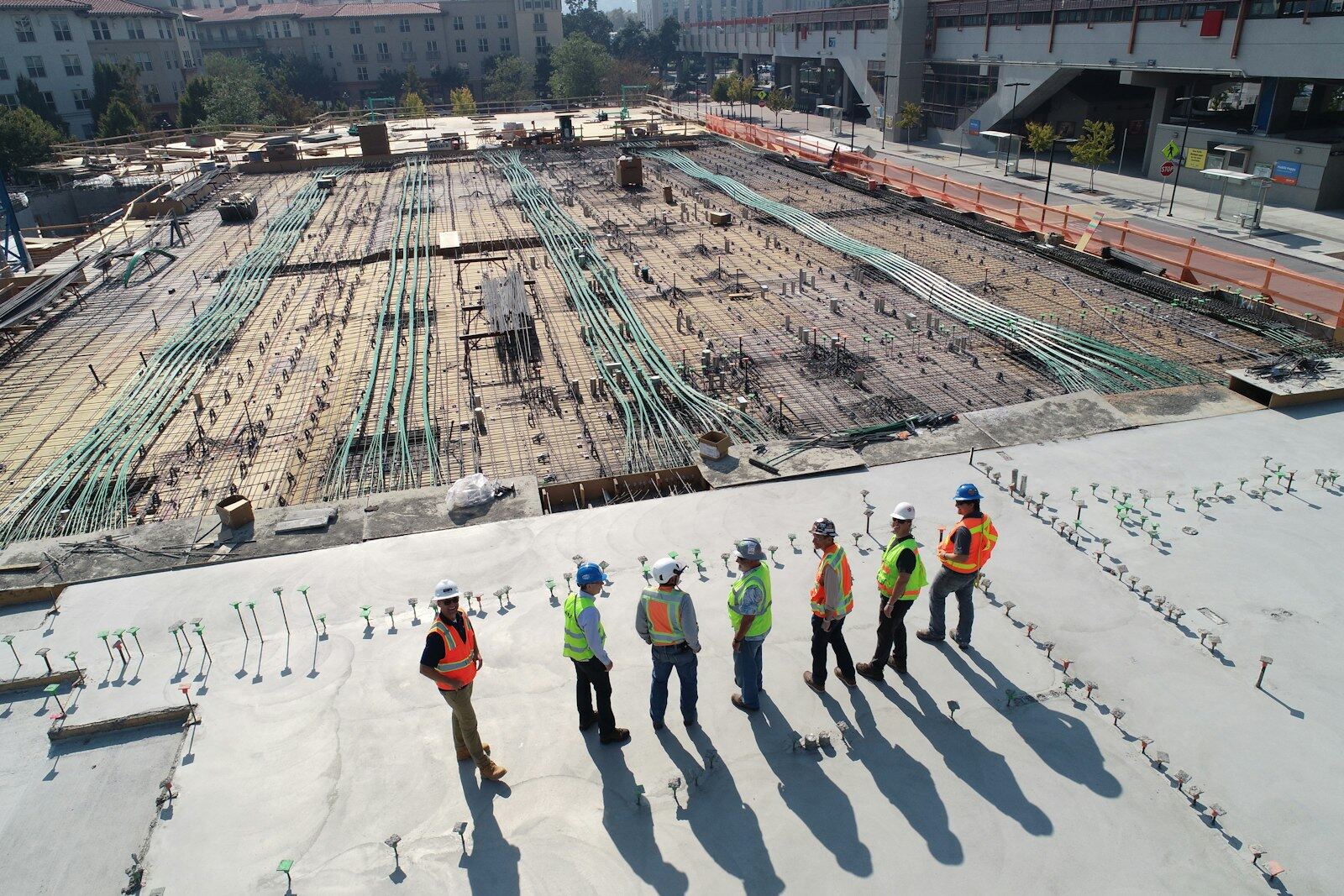
“Nearby” is the most overused word in procurement. A depot two kilometres away can take longer to deliver than one eight kilometres away. The map shows distance. The schedule depends on four other clocks.
Distance is the easy metric
Straight-line distance ignores traffic, one-way streets, bridge bottlenecks, truck restrictions, and the fact that the depot does not open until 8 a.m. It also ignores the difference between a counter pickup and a delivery: the yard still has to pick, stage, load, and release the order.
When someone says a supplier is nearby, the useful follow-up is: nearby for what? A person on a motorcycle? A six-wheeler? A 20-foot truck? Each answer changes the route and the risk.
The four clocks
A delivery lands when four clocks finish, not one.
| Clock | What it measures | What usually goes wrong |
|---|---|---|
| Depot clock | Time to confirm stock, pick, and stage the order | The order is confirmed before it is picked |
| Loading clock | Time to load and secure the vehicle | The truck arrives without the right equipment |
| Drive clock | Actual travel time with traffic and restrictions | Distance was used as a proxy for time |
| Unloading clock | Time to get material from the truck to the work face | No one planned for a gate, lift, or crane |
The total is the number that matters. A depot with fast picking and a difficult gate can lose to a slower depot with a straightforward drop. Confirm the stock is actually at that branch with the freshness checklist.
Load size changes the answer
A ten-bag order and a ten-tonne order are not the same delivery problem.
- Loose materials may need a dump truck and a clear drop zone.
- Long materials like rebar need a vehicle that can carry them safely and a site with room to receive them.
- Palletized goods need a forklift or a pallet truck at the destination.
- Heavy equipment needs mobilization planning, not a courier.
Ask what vehicle the supplier plans to send. If the answer is vague, the delivery plan is vague too.
Gate access is part of the lead time
The last hundred metres are often the slowest. Before confirming a delivery window, walk the route the truck will take:
- Can a delivery vehicle enter the street or compound?
- Is there a height, width, or weight restriction?
- Who opens the gate, and are they on site at the delivery time?
- Is there a safe place to stage material without blocking the crew?
- Does the building have a service lift, and is it booked?
- Will unloading need equipment the site does not have?
A delivery that arrives on time but cannot unload is still late.
Four questions for the RFQ
Put these in the quotation request and the answers will separate the organized suppliers from the optimistic ones:
- What vehicle and crew will deliver this order?
- What is the earliest and latest delivery window on the requested date?
- Is unloading included, and what equipment is assumed on site?
- Who should be contacted on arrival, and what is the fallback if that person is unavailable?
The answers also become your delivery plan. Share them with the site supervisor, not just the purchaser.
“Nearby” is not a location. It is a promise about time, access, and unloading — and it should be written down.
Plan the drop, not just the purchase
The best procurement decision can still fail at the gate. Match the material to the vehicle, the vehicle to the route, and the route to the person who will receive it.
When you compare suppliers, compare their delivery answers as carefully as their prices. The cheapest quote that cannot reach your work face is not cheap. It is a rescheduled day.