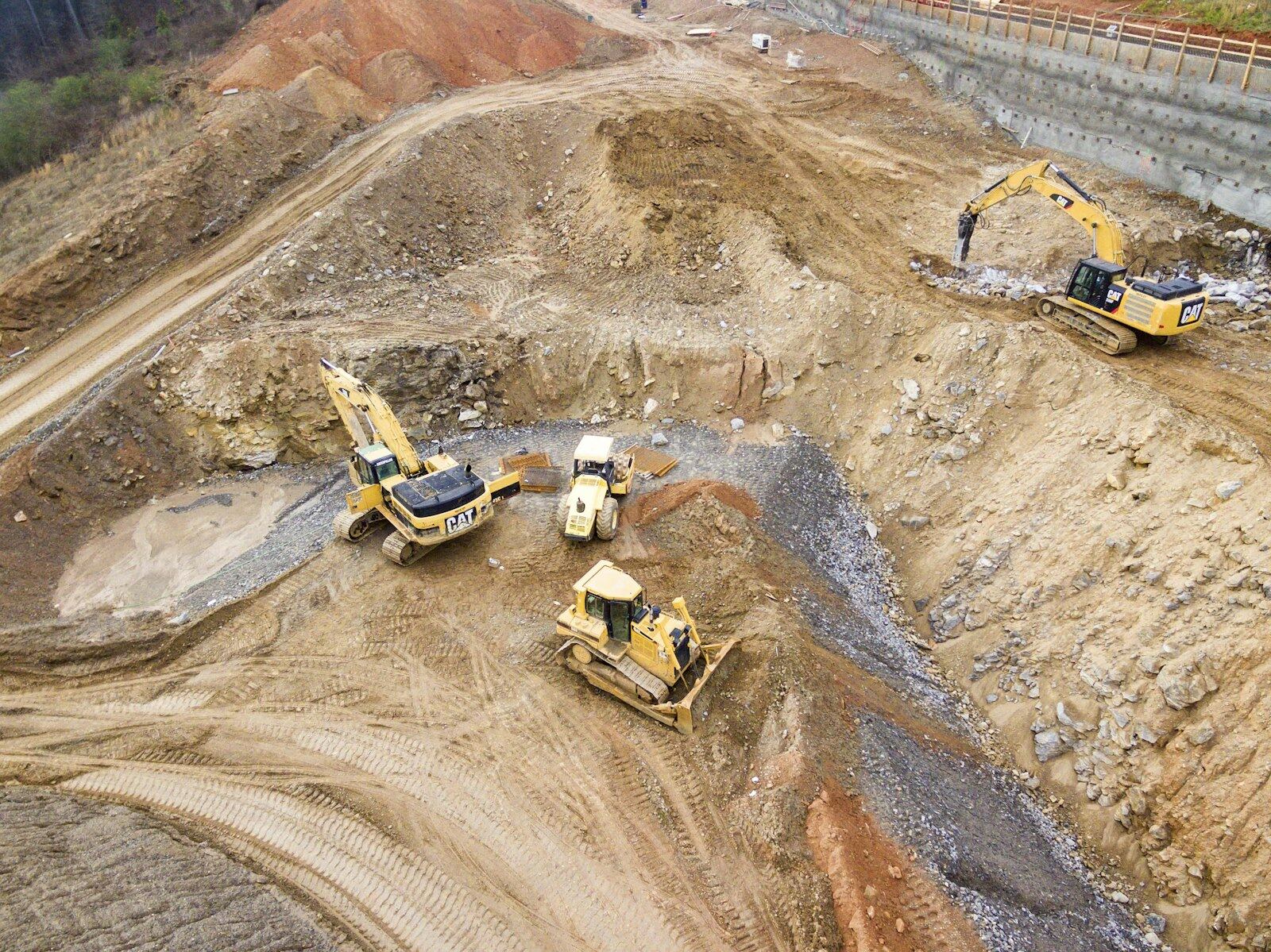
A rental yard can look organized and still be the wrong partner for a job. The machines are shiny, the yard is full, and the quote arrives quickly. The problems appear later: a machine that will not start, an operator who does not show, or a breakdown clause that puts the downtime on you.
Verification is cheaper before the equipment leaves the yard.
Verification is a process, not a badge
A listing, a logo, and a phone number are not proof of capability. Treat them as the start of a short due-diligence process. The depth should match the size of the rental and the cost of failure.
For a one-day generator rental, a phone call and a visual check may be enough. For a month-long excavator deployment, the checklist below is worth the time.
Before you reserve
Confirm these items in writing — a message thread is fine:
- Business identity — registered name, address, and a contact who can authorize changes.
- Ownership versus brokerage — is the yard renting its own machine, or brokering someone else’s? Both can work; the responsibility is different.
- Machine identity — make, model, year, capacity, and serial number.
- Condition and hours — current hour meter, recent service, and known faults.
- Operator credentials — license, training, and experience on that machine class, if an operator is included.
- Insurance — what the yard covers and what the renter is expected to carry.
- Mobilization — who transports the machine, at what cost, and who is responsible for permits.
- Fuel policy — full-to-full, included, or charged on return.
- Breakdown terms — response time, replacement machine, and downtime credit.
- Payment and deposit — terms, hold amount, and release conditions.
If the yard cannot answer these before the booking, they will not answer them faster during a breakdown. If you are still deciding whether to own the machine, start with the rent-versus-buy math.
Inspect the machine
A visual inspection is not a mechanic’s report, but it catches obvious risk. Bring a flashlight and take photos.
- Walk around the machine and look for leaks, cracked glass, and damaged hoses.
- Check the hour meter against the paperwork.
- Start it and operate the primary functions through a full cycle.
- Test the safety devices, alarms, and emergency stop.
- Inspect the undercarriage, tyres, or tracks for abnormal wear.
- Confirm the attachments included in the rate are actually on the machine.
- Photograph existing damage before it leaves the yard.
Note every defect on the rental agreement. A pre-existing dent that is not recorded becomes your dent at return.
Contract terms that matter
The rate is only one clause. Read the terms that allocate risk:
| Clause | Question to ask |
|---|---|
| Breakdown | How fast is a replacement, and is downtime credited? |
| Damage | Who pays for tyres, tracks, glass, and operator error? |
| Fuel | Is the machine delivered full, and what is the refill rate? |
| Late return | Is there a grace period, or a full extra day? |
| Site conditions | Does the contract assume a prepared surface or access road? |
| Sub-rental | Can the yard substitute a different machine without approval? |
| Liability | What happens to third-party property or injury on site? |
If the answer is “standard terms,” ask to see them. Standard is not a number.
The best time to negotiate a breakdown credit is before the machine is on your site and the crew is standing around.
Red flags
Watch for these patterns:
- The yard cannot provide a serial number or a current photo.
- The quoted machine is “the same class” but not the same model.
- Mobilization is quoted separately after you have committed.
- The operator is arranged informally with no credentials.
- The contract has no replacement or downtime language.
- Payment requires a large cash deposit with no receipt trail.
- The yard pressures you to skip the inspection because “it just came back.”
Any one may be explainable. Several together are a reason to walk.
Build a short list
Keep a record of yards that answer accurately, deliver on time, and handle breakdowns fairly. That list is more valuable than a directory of every machine in the region. Rentals are a relationship business, and the relationship starts with verification.
The goal is not to distrust every yard. It is to make the important assumptions explicit while you still have negotiating leverage.