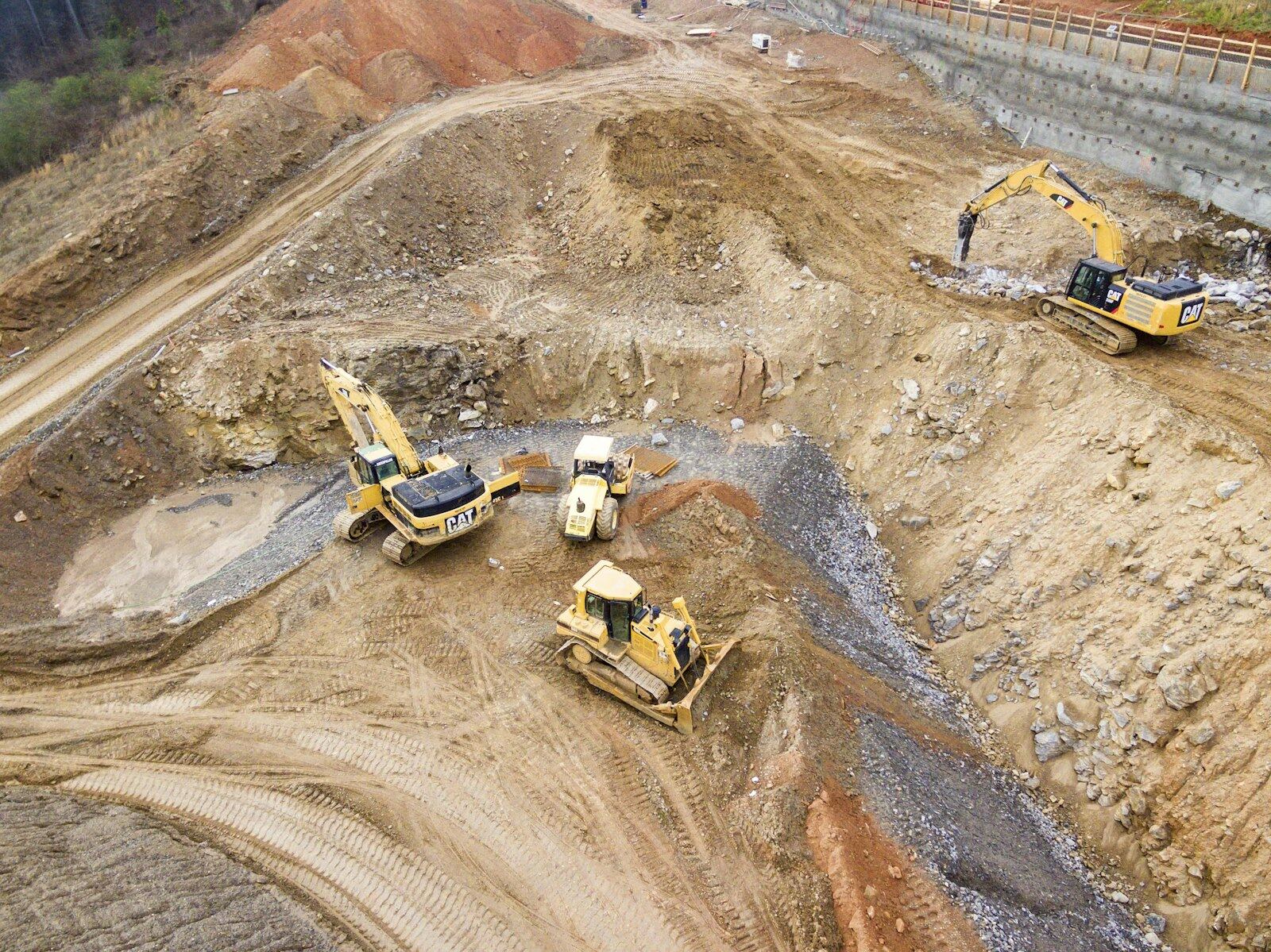
The sticker price is the least useful number in the rent-versus-buy decision. A machine that sits idle eight months a year is not cheaper because it was purchased outright. It is simply a more expensive way to rent storage.
The useful question is not “how much does it cost?” It is “how many hours per month will this machine actually earn?”
Start with utilization
Utilization is the share of available working time the machine is deployed and billable. Everything else follows from it.
A rough break-even, before resale value and financing, looks like this:
Break-even days = purchase price ÷ (daily rental rate − daily ownership cost)
If a machine earns less than its ownership cost per working day, buying never pays back. If it earns more, the gap is the daily contribution that repays the purchase price.
Consider an illustrative example only — substitute your own numbers:
- Purchase price: ₱4,200,000
- Local rental rate: ₱9,000 per day
- Ownership cost (maintenance, insurance, storage, financing): ₱5,000 per day
- Daily contribution: ₱4,000
At full utilization, the payback is about 1,050 working days, or roughly four years of near-constant use — before resale value, major repairs, or downtime. That is the honest shape of the math. Buying is a bet on sustained utilization, not a shortcut to a lower rate.
The costs people forget
The rental rate is visible. Ownership costs are distributed across the year and easy to undercount.
| Ownership cost | Why it surprises people |
|---|---|
| Maintenance and wear parts | Tracks, hoses, filters, and tyres fail on their own schedule |
| Operator | A machine without a trained operator is a parked machine |
| Mobilization | Moving equipment between sites is a project of its own |
| Insurance and registration | Required, recurring, and rarely per-project |
| Storage and security | Yards cost money; unattended equipment costs more |
| Idle capital | The cash tied up in the machine cannot fund something else |
| Downtime | A broken owned machine has no rental desk to call |
If the machine is going to arrive on a site with difficult access, read the delivery checklist before the mobilization date is fixed.
Renting bundles most of these into a rate. That convenience has a price, but it also transfers risk. For a short or uncertain job, that transfer is often worth more than the apparent savings of ownership.
When renting wins
Renting is usually the better call when:
- The machine is needed for a defined window, not an open-ended program.
- Utilization is seasonal, weather-dependent, or tied to a single contract.
- The equipment is specialized enough that you cannot keep it busy.
- You need a newer or larger unit than your normal work requires.
- You want the yard to carry maintenance, breakdown response, and transport.
- Cash is better deployed into labor, materials, or winning work.
Rental is not “throwing money away.” It is buying uptime without buying the asset.
When buying wins
Ownership starts to make sense when:
- The machine has a reliable pipeline of billable work.
- You can keep utilization high across projects, not just one.
- You have the operator, storage, and maintenance discipline in place.
- Financing costs are predictable and the resale market is liquid.
- The same unit supports multiple service lines or rental income of its own.
The last point matters. Some contractors buy a machine and rent it out between their own jobs. That can improve utilization, but it adds a second business: scheduling, damage recovery, and customer management. Count that work.
The 60/40 test
A simple discipline before signing: estimate the machine’s billable days for the next twelve months and divide by the days you could realistically deploy it. If the result is below roughly 60 percent, rent. If it is comfortably above that and you have a second year of demand in view, model the purchase properly.
The threshold is not universal. It depends on the asset, the market, and how much downtime you can absorb. But the direction is reliable: ownership rewards utilization, and utilization is a sales problem before it is an equipment problem.
Run the numbers with the supplier
Ask a rental yard for its day rate, weekly and monthly discounts, mobilization fee, fuel policy, operator rate, and breakdown terms. Ask a dealer for the maintenance schedule, warranty, financing options, and expected resale value. Put both sets of numbers in the same spreadsheet. (Before committing, run the yard through this verification checklist.)
The right answer is rarely “always rent” or “always buy.” It is the option that matches the work you can actually see, priced with the costs you can actually anticipate.